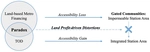
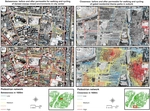
This paper examines a key challenge in China: while metro systems aim to improve accessibility, their benefits are often captured by private developers through gated communities near stations. It argues that local governments’ reliance on land finance distorts planning, weakening transit-oriented development (TOD) principles. Using a natural experiment in Nanchang, results show each new metro station leads to 3.5 additional gated communities and significant land expansion, with effects lasting up to six years. The study identifies a “value-capture paradox,” where public accessibility gains are undermined by financing strategies, limiting the long-term benefits of infrastructure investment.